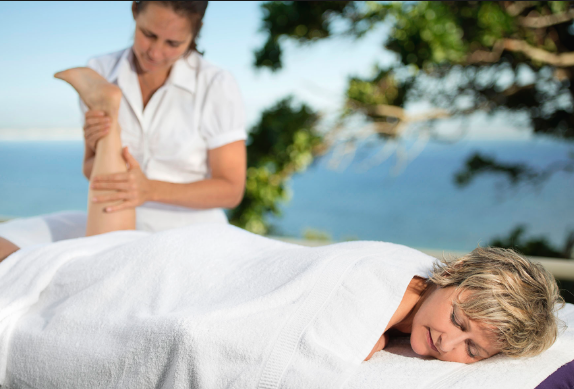
Modern life places continuous physical and mental demands on the human body. Extended hours seated at office desks, high-stress schedules, and intense physical exercise all contribute to chronic muscle tension, poor posture, and elevated cortisol levels. While basic rest helps restore energy, targeted therapeutic treatments—such as thermal water exposure and specialized bodywork—accelerate physiological recovery. Understanding how heat, water pressure, and mechanical manipulation affect the neuromuscular system helps individuals select therapies that address specific bodily strain rather than relying on temporary relaxation techniques.
Integrating structured wellness practices into routine self-care requires an understanding of how different hydrotherapy modalities and bodywork techniques interact with circulation and muscle tissue. When reviewing wellness options and resort amenities, examining service frameworks from established destinations like the spa offerings at The Reef Beach Resort illustrates how combining thermal circuits with targeted massage therapies creates a comprehensive environment for muscle repair and stress reduction. Learning the functional mechanisms behind these treatments allows you to build an effective personal recovery strategy.
The Physiology of Stress and Muscle Tension
To understand why therapeutic bodywork is effective, it helps to look at how stress manifests physically in muscle tissue. When exposed to persistent mental or physical stress, the sympathetic nervous system triggers muscle contraction, particularly around the neck, shoulders, and lower back.
The Cycle of Chronic Muscle Tightness
Continuous contraction reduces blood flow (ischemia) to localized muscle fibers. Decreased circulation deprives tissue of oxygen while allowing metabolic waste products, such as lactic acid, to accumulate. This buildup irritates nerve endings, signaling pain to the brain and causing adjacent muscles to guard and tighten further.
[ Mental / Physical Stress ] ──► Muscle Contraction ──► Reduced Blood Flow ──► Waste Accumulation ──► Pain & Tightness
Core Modalities in Therapeutic Massage
Different massage techniques target specific layers of muscle tissue and fascia. Matching the technique to your specific physical condition optimizes recovery outcomes.
Swedish Massage for Circulation and Nervous System Reset
Swedish massage uses long, gliding strokes (effleurage), gentle kneading (petrissage), and rhythmic tapping toward the heart. This approach primarily targets the nervous system and surface-level blood vessels.
- Key Mechanism: Stimulates the parasympathetic nervous system, lowering heart rate and reducing systemic cortisol.
- Best For: Overall stress relief, circulatory support, and individuals new to manual bodywork.
Deep Tissue Therapy for Chronic Adhesions
Deep tissue massage applies sustained pressure and slow, deliberate strokes to target inner layers of muscle and connective tissue (fascia).
- Key Mechanism: Breaks down adhesions (commonly called “knots”) formed by rigid tissue, realigning muscle fibers and restoring range of motion.
- Best For: Persistent muscle tightness, postural imbalances, and recovery from repetitive strain injuries.
Neuromuscular and Trigger Point Therapy
Trigger point therapy focuses on hyper-irritable spots within a taut band of muscle tissue. The therapist applies direct, localized pressure to release trapped tension.
- Key Mechanism: Temporarily restricts blood supply to the trigger point; releasing the pressure prompts a surge of oxygenated blood into the area.
- Best For: Referred pain patterns, tension headaches, and specific focal pain in shoulders or hips.
The Role of Hydrotherapy in Muscle Recovery
Hydrotherapy uses water across various temperatures and pressures to produce physiological changes in blood vessels and joint mechanics.
Warm Water Immersion and Thermal Baths
Soaking in warm water (typically between 98°F and 102°F) increases core body temperature, causing blood vessels to dilate (vasodilation).
- Increased Nutrient Delivery: Dilated blood vessels increase blood circulation, delivering fresh oxygen and nutrients to damaged tissues.
- Joint Decompression: Hydrostatic pressure supports body weight, relieving gravity-induced stress on load-bearing joints like the knees, hips, and lower spine.
Cold Plunge Therapy (Cryotherapy)
Brief immersion in cold water (typically between 50°F and 59°F) induces rapid vasoconstriction, pulling blood away from extremities toward core organs.
- Inflammation Control: Cold temperatures numb nerve endings, providing rapid pain relief and suppressing acute inflammatory responses following heavy physical exertion.
Contrast Water Therapy
Alternating between warm and cold water creates a natural “pumping” action within the circulatory system.
- Mechanism: Repeated cycles of vasodilation (heat) and vasoconstriction (cold) stimulate lymphatic drainage, speeding up the removal of metabolic waste from fatigued muscles.
How to Prepare for and Maximize Your Treatment Results
Following simple preparation guidelines before and after a treatment session ensures your body receives maximum physiological benefit.
Pre-Treatment Preparation
- Hydrate Adequately: Drink plenty of water throughout the day prior to your session. Hydrated muscle tissue is more pliable and responds better to manual pressure.
- Eat Lightly: Avoid heavy meals within two hours of a session, as lying prone with a full stomach can cause digestive discomfort.
- Arrive Early: Allow 15 to 20 minutes before your appointment to unwind, sit quietly, and transition out of a rushed state of mind.
Post-Treatment Recovery Guidelines
- Replenish Fluids: Drink several glasses of water after bodywork to help your kidneys process and flush out metabolic waste products mobilized during massage.
- Avoid Strenuous Exercise: Give your muscles time to rest and adapt. Engaging in intense workouts immediately after deep tissue work can cause muscle strain and increased soreness.
- Take a Warm Epsom Salt Bath: Magnesium sulfate in Epsom salts promotes muscle relaxation and reduces post-treatment soreness the following day.
Summary Checklist for Personal Wellness Planning
- [ ] Identify Primary Goals: Choose Swedish massage for stress reduction, or deep tissue for localized chronic muscle tightness.
- [ ] Incorporate Thermal Hydrotherapy: Combine heat sessions to relax muscles before manual massagework.
- [ ] Maintain Proper Hydration: Drink water before and after bodywork to support metabolic waste flushing.
- [ ] Schedule Rest Periods: Allow a few hours of light activity or rest following deep neuromuscular treatments.